-

-

-
-
-
-

Nursery

This website uses Google Translate
You cannot use this feature without first accepting 3rd Party Cookies.
This website uses Google Translate
You cannot use this feature without first accepting 3rd Party Cookies.
You cannot use this feature without first accepting 3rd Party Cookies.
You cannot use this feature without first accepting 3rd Party Cookies.
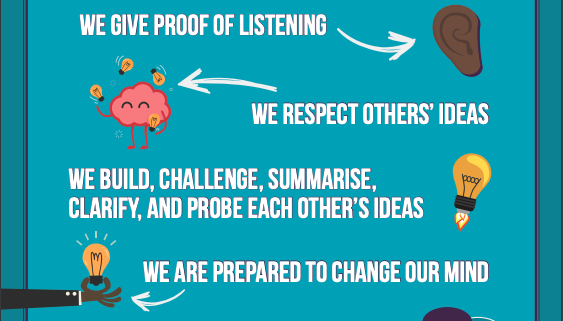
Oracy is learning to use spoken language effectively.
At St John’s, children develop their ability to:
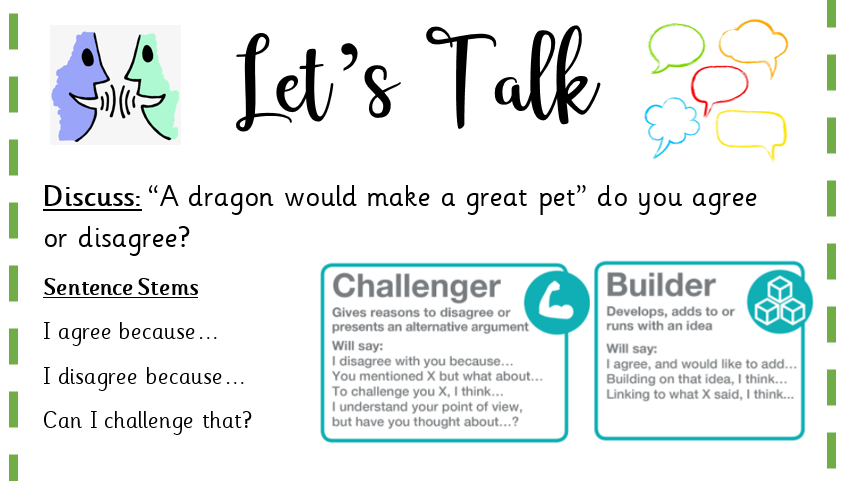
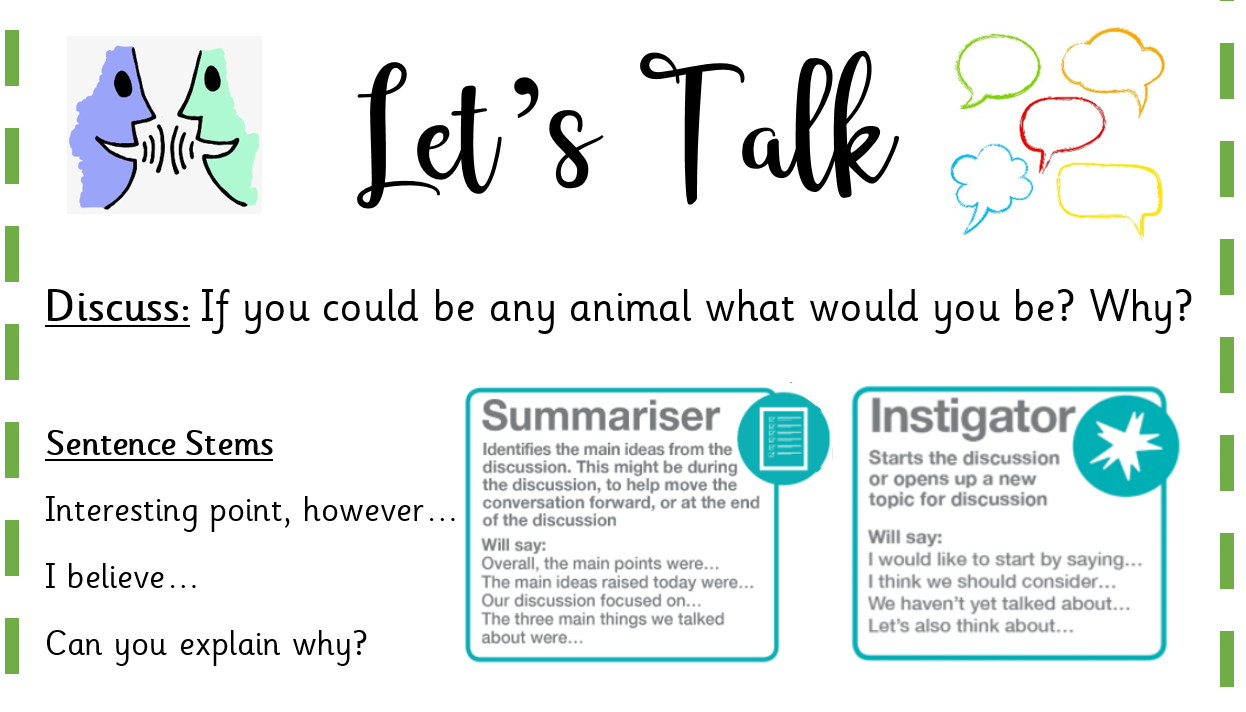
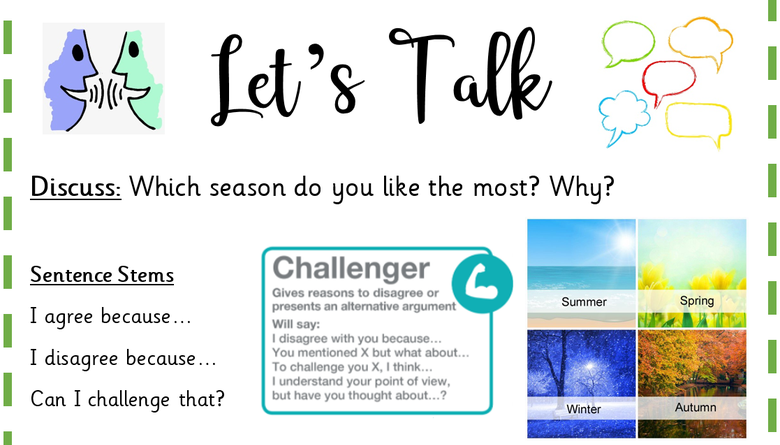
At St John’s, we promote and develop oracy by creating a culture where every child feels confident to speak, listen and share their ideas. Oracy is woven throughout our curriculum and everyday school life, with opportunities through collective worship, PSHE, English and reading lessons, group work, OPAL, forest school and many more. Teachers model high-quality spoken language and support children to develop their vocabulary, explain their thinking, ask questions, listen respectfully and build on the ideas of others. Through purposeful talk, discussion, collaboration, drama, presentations and debates, we help every child develop their voice and become a confident, thoughtful communicator.
How to help your child improve their Oracy at home
Reading aloud to your child, beyond an age they can read to themselves, combines the benefits of talking, listening and storytelling within one activity that helps children build their vocabulary, learn to express their thoughts, and understand the structure of language.'
2. Record a video diary
Many children aspire to become vloggers or YouTube stars, so encourage them to start a video diary, either to chart their everyday life or to record special occasions like birthdays and holidays. For safety’s sake, keep these within the family rather than sharing them online.
3. Play word games
Games like '20 Questions', 'Guess Who?' and 'I Spy' are great for helping children use descriptive language and think critically about what they’re saying.
4. Talk about their day
Ask your child, ‘What did you do today?’ and they’ll often claim they can’t remember, so find different ways to talk about what they’ve been up to, such as "Who did you play with today?", "What type of writing did you do today?"
Eating your evening meal as a family is a good way to encourage conversation, while older children are often more chatty in the car, where they feel less like they’re being interrogated.
5. Phone a friend (or relative)
Encouraging them to speak to different family members on the phone or on a video call will build confidence.
6. Go on a nature walk
This is a great pre-phonics activity for young children, who can be encouraged to listen carefully to the sounds they hear – from traffic to birdsong – and describe them. They can also describe the natural sights they see, such as trees, animals and birds and the sky.