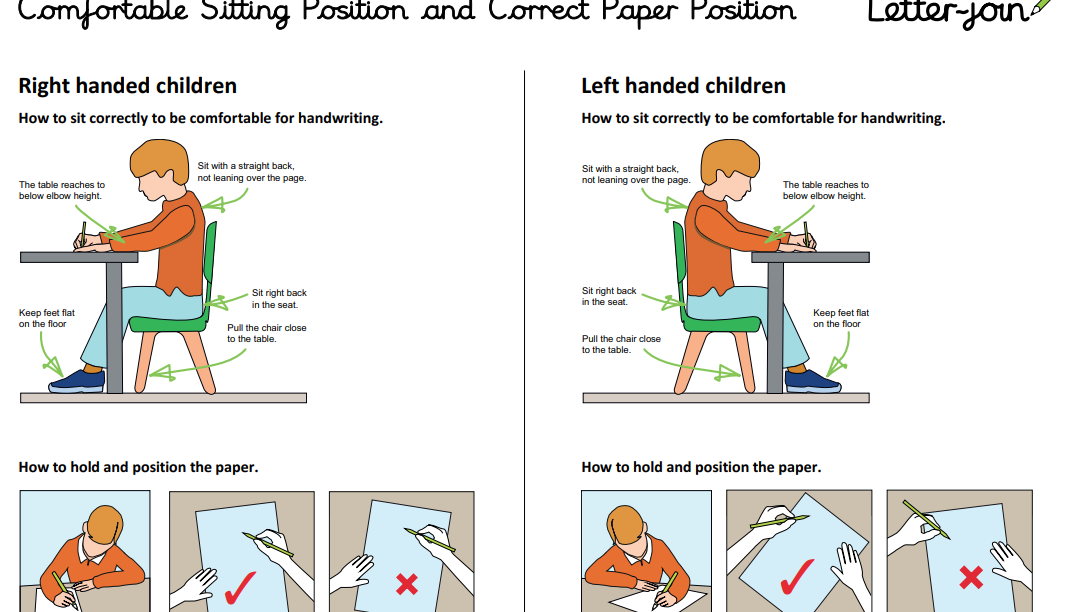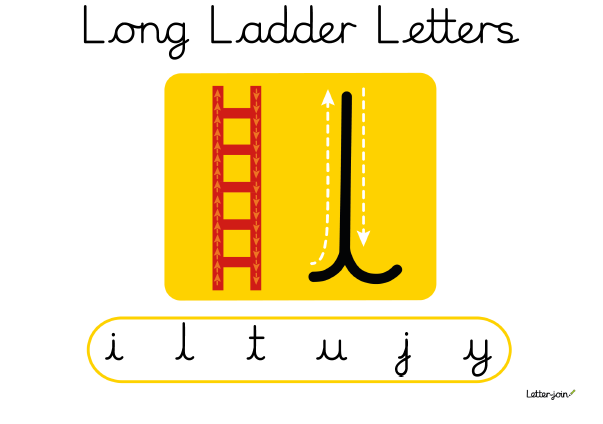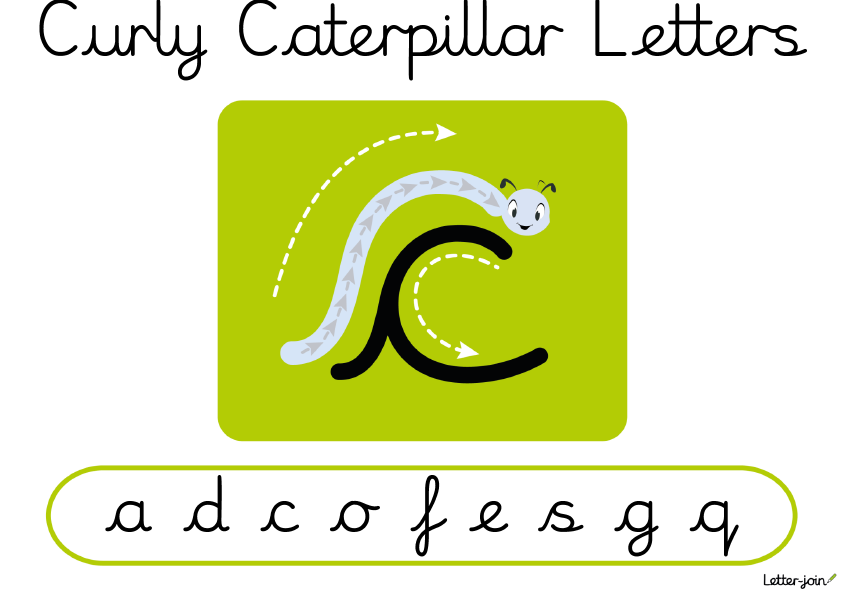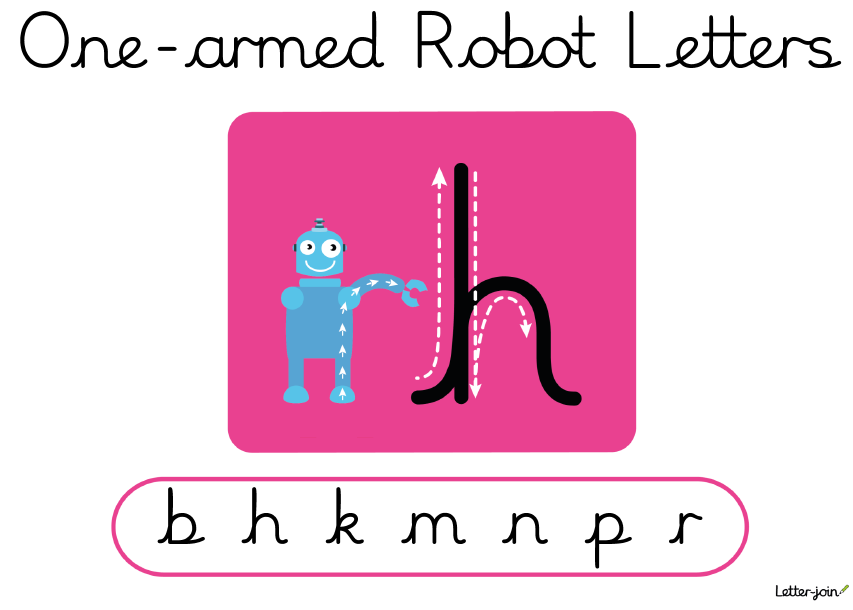
At St John's Primary School, our aim is to support the development of fine motor skills and handwriting proficiency amongst all of our children. We encourage children to take pride in the presentation of their work and develop handwriting as an important lifelong skill.
Please see our handwriting progression document to find out how handwriting is taught from Early Years to Year 6.
Handwriting development begins in the Early Years, where children develop the physical skills and foundations needed for writing.
Nursery
In Nursery, children focus on developing their gross and fine motor skills through a range of activities, such as threading, cutting, tweezer work, playing with play dough, painting and building. Children are encouraged to develop an age-appropriate pencil grip and engage in mark-making opportunities throughout the year. These experiences help to develop the foundations needed for good handwriting.
Reception
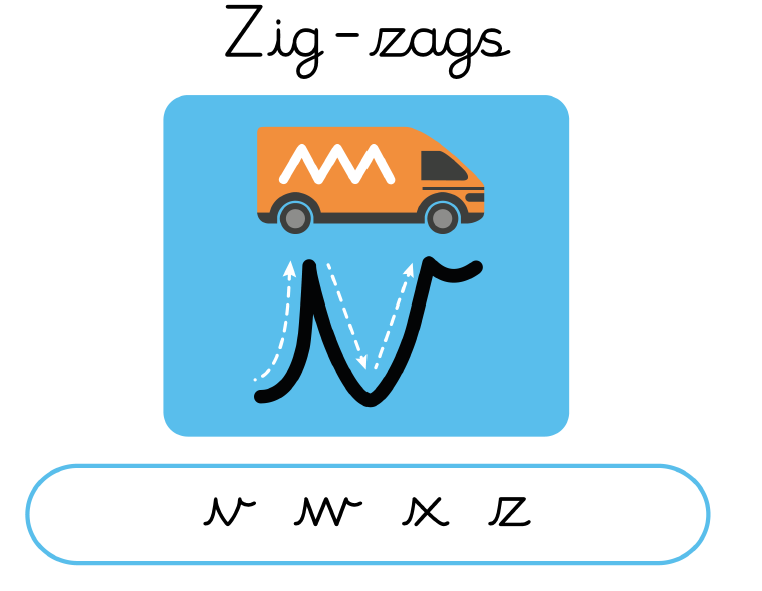
In Reception, children continue to develop their fine motor skills and pencil control in preparation for writing. As children begin to learn their initial letter sounds through the Monster Phonics scheme, they are taught the correct formation of letters using visual mnemonics. Children practise forming letters using printed (non-joined) handwriting and are encouraged to apply their developing skills when writing words and sentences.
Using verbal scripts to support letter formation
At St John's, we use verbal scripts to help children learn and remember how to form letters correctly. These are simple spoken instructions that describe the movements needed to form each letter, helping children to develop the correct starting points, direction and sequence of movements. Staff use these verbal scripts during handwriting teaching to support children as they practise forming letters.
Parents and carers may also wish to use these verbal scripts at home to reinforce what children are learning in school. Downloadable resources are provided below to show the verbal scripts used for each letter and support consistent letter formation at home.
Key Stage 1 – Years 1 and 2
Handwriting is taught discretely in Years 1 and 2, with children continuing to develop their letter formation, pencil control and consistency. In Year 1, children practise forming letters correctly and develop fluency when writing words and sentences. In Year 2, children are introduced to pre-cursive handwriting, beginning to develop the joins between letters in preparation for a fluent, joined style.
Lower Key Stage 2 – Years 3 and 4
In Years 3 and 4, children continue to develop their pre-cursive and cursive handwriting, focusing on consistent letter size, spacing, orientation and joins. They are encouraged to develop a fluent, legible and increasingly efficient handwriting style. By Year 4, children are encouraged to use a pen whilst continuing to develop fluency and legibility.
Upper Key Stage 2 – Years 5 and 6
In Years 5 and 6, children continue to refine and consolidate their cursive handwriting skills, developing greater fluency, speed and consistency. They are encouraged to take responsibility for the presentation of their written work and maintain a neat, legible and joined handwriting style across different subjects and writing tasks.
Please see the information below to:
Access Letter-join at home.
Find out how to help children in their early years develop good handwriting skills.
Learn about our letter family groups and the fonts used at St John's.
Access our downloadable verbal scripts to support correct letter formation at home.